Kamome Foundation

Now accepting donations — Give securely through the Kamome Foundation’s Donorbox form.

Kamome Foundation · Del Norte County ⇄ Rikuzentakata

A small boat crossed an ocean. Now our students cross it back.

We’re raising $15,000 to help five Del Norte High students travel to Rikuzentakata, Japan — our sister city — to stay with host families, visit Takata High School, and carry forward a friendship that began with a boat called — Kamome, “seagull.”

2013Kamome washes ashore near Crescent City
2018Crescent City & Rikuzentakata sign a sister-city agreement
TodayStudents keep the exchange going, in both directions
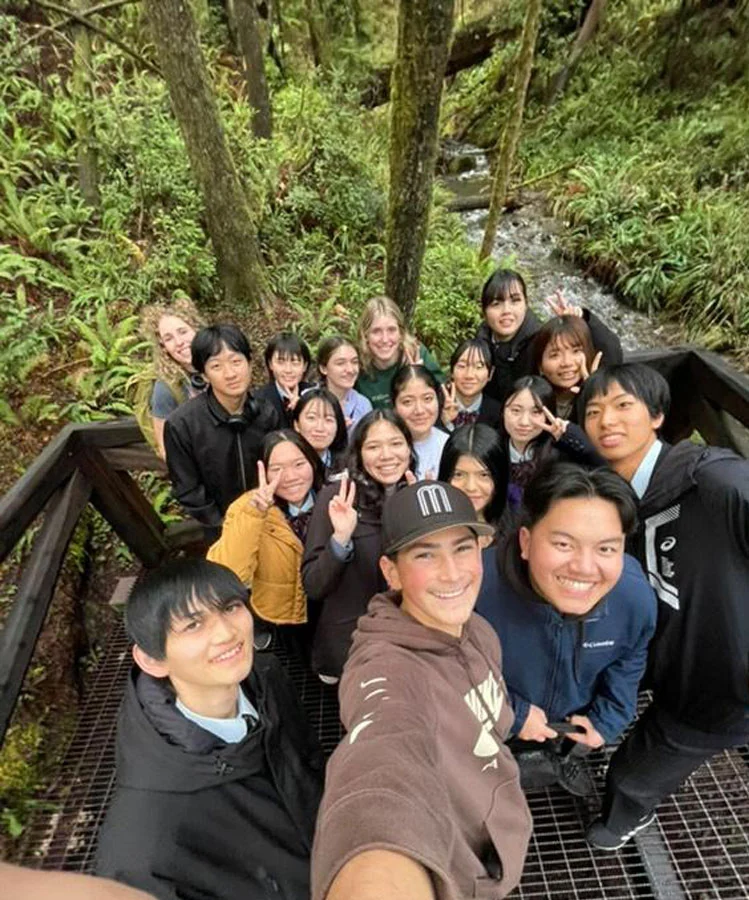
Del Norte and Takata students gather for a selfie on wooded steps during a past exchange.
Students from both shores. Del Norte and Takata students together during a past exchange.

The story

Two towns joined by one miracle

That’s the phrase on the Kamome exhibit in Rikuzentakata — and it’s exactly what happened.

  1. 2011

    A tsunami carries a boat away

    In March 2011, the tsunami that devastated Rikuzentakata swept Takata High School’s training boat Kamome out to sea. Hours later, that same tsunami tore through Crescent City’s harbor.

  2. 2013

    Kamome comes ashore in Del Norte County

    Two years later, the barnacle-covered boat washed up near Crescent City, California. Del Norte High students spent hours scraping barnacles from the hull. Geologist Lori Dengler and Rikuzentakata’s Amya Miller helped identify its home, and people on both shores worked to return it.

  3. 2013

    The boat goes home

    Kamome returned in October. Takata High students were still attending classes in neighboring Ōfunato. They invited the Del Norte students who had cleaned their boat to come visit.

  4. 2014

    The students cross the Pacific

    Six Del Norte students accepted the invitation that February. After visiting Rikuzentakata, they met with Ambassador Caroline Kennedy in Tokyo. The following January, Takata High students came to Del Norte.

  5. 2017

    Sister schools

    The principals of Del Norte High School and Takata High School signed a sister school agreement, formally linking the two schools whose students started it all.

  6. 2018

    Sister cities

    Rikuzentakata and Crescent City signed a sister-city agreement, with “great hopes for continued, closer exchange and cooperation” — including the student exchanges the Kamome Foundation supports today.

  7. Today

    Students keep it going

    Del Norte students travel to Rikuzentakata and Japanese students visit here in return. Over 30 Del Norte High School students have visited Rikuzentakata since the first student visit in 2014. Each trip renews the friendship in person — in classrooms, at kitchen tables, and at the memorial sites that give this story its meaning. Your gift puts the next group of students on that plane.

Hours for the wave. Years for the boat.

The tsunami swept Kamome out to sea on March 11, 2011. The boat washed ashore near Crescent City on April 7, 2013, just over two years later.

The two coasts

One ocean, two hometowns

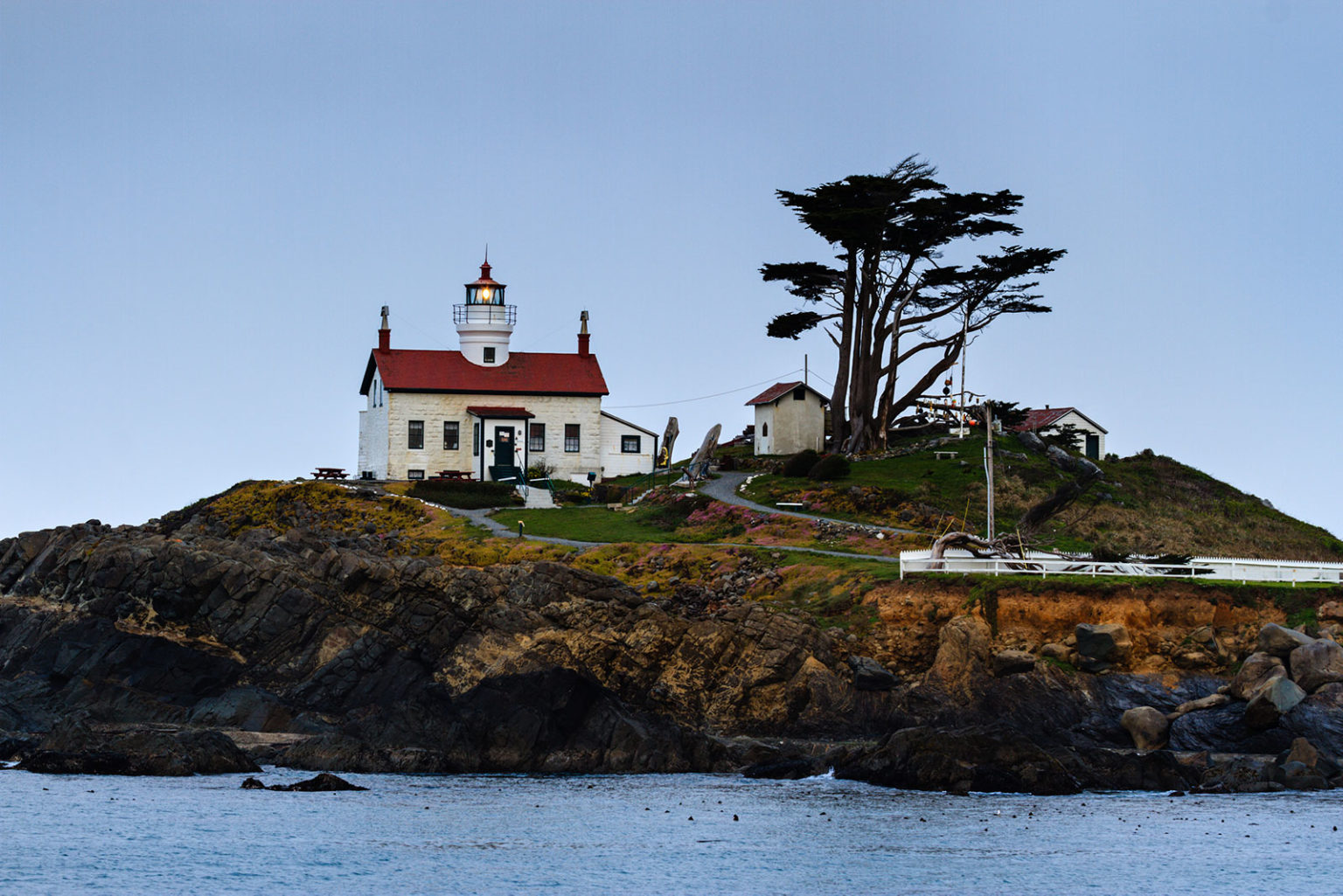
Battery Point Lighthouse in Crescent City, California, on its rocky point above the Pacific at dusk

Crescent City, California

Crescent City rebuilt its downtown after the 1964 tsunami. In 2011, the tsunami from Japan struck its harbor. Two years later, Kamome washed up on South Beach, close to Battery Point Lighthouse and the students who would help send it home.
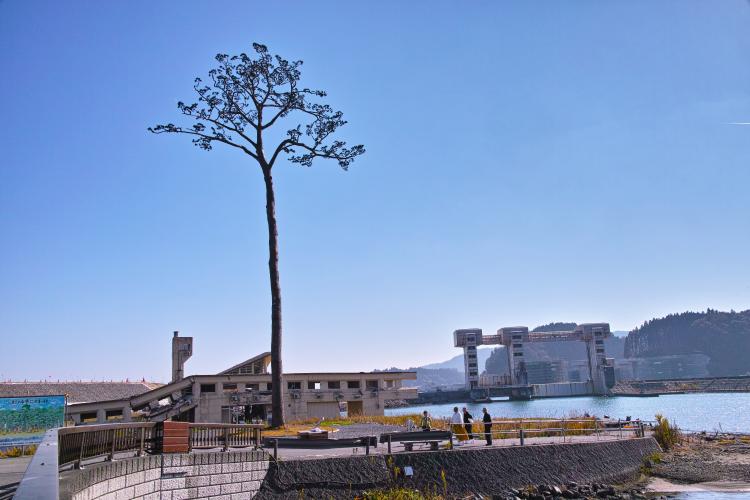
The Miracle Pine standing tall in Rikuzentakata, Japan, beside the preserved ruins of the youth hostel and the bay

Rikuzentakata, Japan

Where students are headed. The Miracle Pine — the one tree left standing from a forest of 70,000 after the 2011 tsunami — is preserved here as a symbol of resilience, and a place our students visit to understand what their sister city lived through.

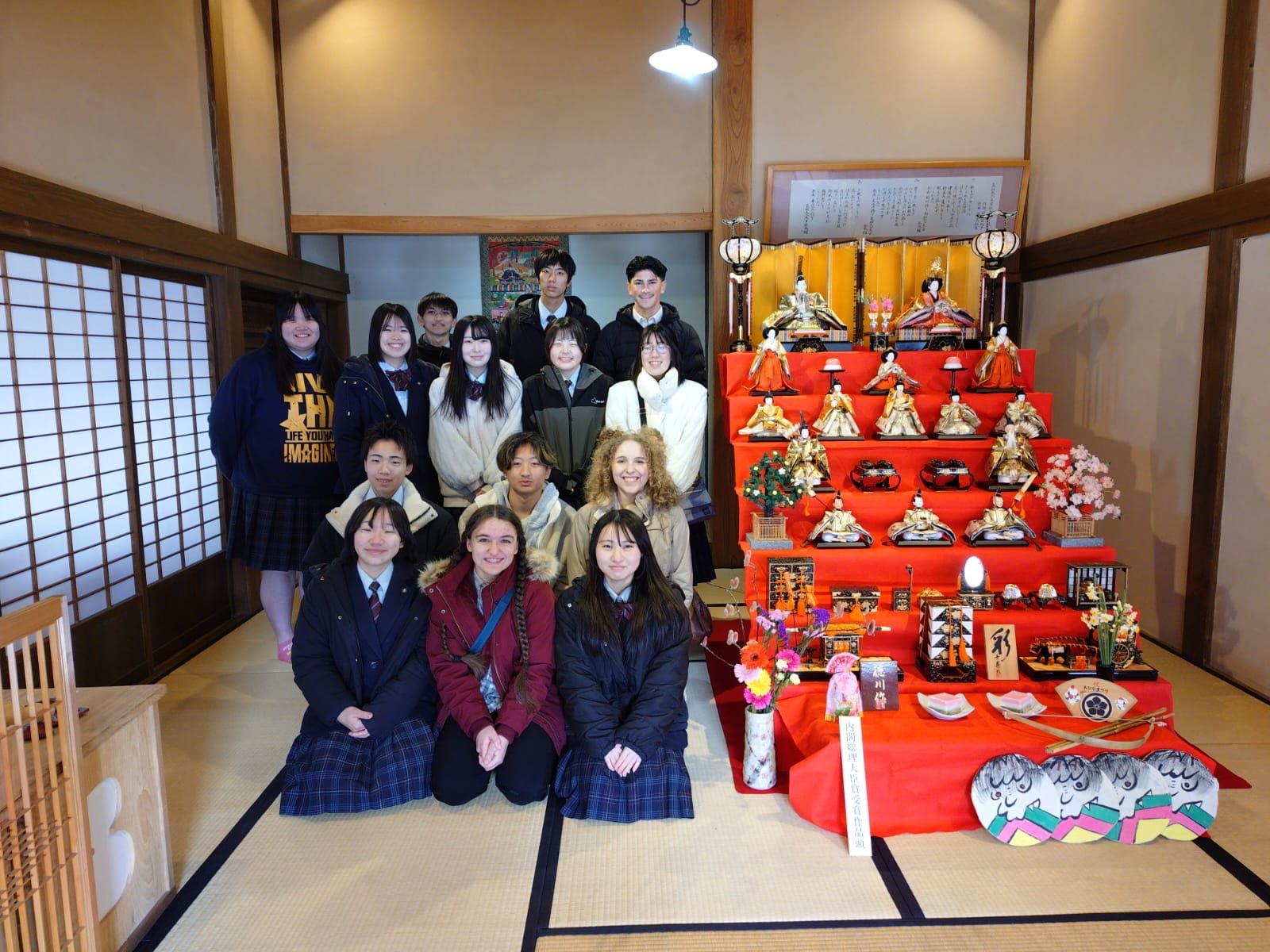
Del Norte and Japanese students posing together in a tatami room in Japan beside a tiered red hina doll display for Hinamatsuri, the Doll Festival
Students together in Japan beside a hina doll display for Hinamatsuri — the everyday, joyful side of exchange: sharing traditions, classrooms, and daily life, and making friends across the Pacific.

“You didn’t realize how much they actually appreciate it till you were there and talking to them face to face.”

John Steven, a Del Norte student on the first exchange · KQED interview

The trip

What your gift makes possible

  1. 1
    Staying with host families

    Students live with Rikuzentakata families — sharing meals, mornings, and daily life, not just sightseeing.

  2. 2
    School days at Takata High School

    Classes, clubs, and time with the students whose school Kamome belonged to — the heart of the exchange.

  3. 3
    Learning the story in person

    Visits to the Kamome exhibit, the Miracle Pine, and the Iwate Tsunami Memorial, guided by the people who live this history.

  4. 4
    Bringing it home

    Students return to Del Norte and share what they learned with their schools and community — and welcome Japanese students when they visit in return.

The exchange, every year

It happens in both directions, every year — small groups, hosted by families, so the friendship stays personal.

January

5 Takata High students

visit Crescent City each year.

February

5 Del Norte High students

visit Rikuzentakata each year.

Home stays, not hotels. The students do home stays so they can have a real American and a real Japanese family experience — sharing meals, mornings, and everyday life with their host families in Crescent City and in Rikuzentakata.

More ways in

Other ways to help

Sponsor

Sponsor a student

Cover one student’s trip in full, or team up with friends, or a workplace to do it together. The typical cost for one student’s trip is $3,000.

To arrange a sponsorship, contact Bill Steven at Bill.Steven@kamomefoundation.org.

By check

Give by check

Prefer paper? Make checks payable to the Kamome Foundation, noting the student trip fund, and mail them to:

Kamome Foundation
500 Northcrest Drive, PMB 115
Crescent City, CA 95531
Share

Pass the story on

Kamome’s story is the best fundraiser we have. Tell it — at school, at work, at the dinner table — and share the Foundation’s giving page.

Questions

Before you give

Where does my money go?

This appeal helps five Del Norte students travel to Rikuzentakata. The Foundation’s Donorbox campaign supports high school student travel in both directions. Exchange costs include airfare, ground travel, meals, and school and cultural visits.

Can I give in honor of a student?

You can leave a tribute in the comment field on the donation form. To discuss a student sponsorship, contact Bill Steven at the Foundation.

Can I give monthly?

Yes. Choose “Give monthly” above. Your amount and frequency will be selected on the Donorbox form, where you can review them before giving. Monthly gifts help the Foundation plan future exchanges.

Is my gift tax-deductible?

Yes. The Kamome Foundation is a 501(c)(3). EIN # 87-0843726.

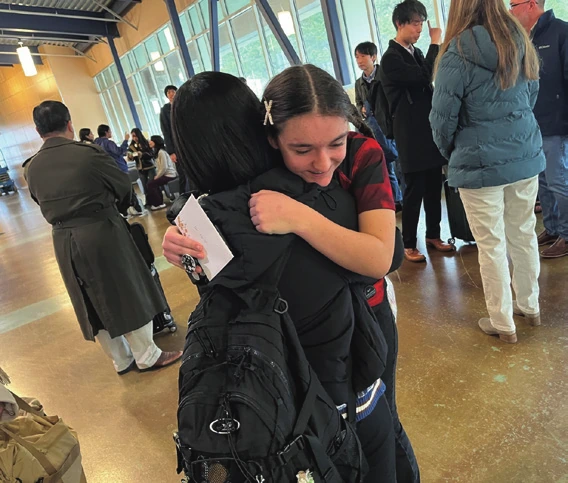
Two exchange students hug goodbye in Crescent City after the January 2025 visit.

The next exchange

Help the next five make the trip.

When the students say goodbye in Crescent City, they know there’s a classroom and a family waiting across the ocean. Your gift helps the next five Del Norte students get there.

Give to the student trip

Kamome in Rikuzentakata

The Kamome boat on display in Rikuzentakata, its weathered hull marked with the characters かもめ, beside an exhibit panel telling its story
The Kamome itself, now on display in Rikuzentakata. The exhibit panel beside it reads: “Takata High School Kamome — two towns joined by one miracle.”